Why Should Customers Care About Your Business?
Chent Thambiah · 23 October 2026 · 7 min read
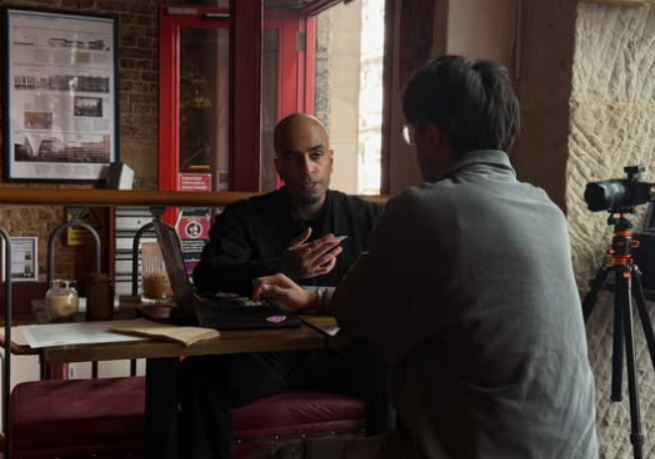
In a recent mentorship call with a founder, he told me he was going to reach out to a list of local practitioners about a platform he was building. He had a lot to say about it: how it worked, what it could do, where it was heading. Then I asked him a question that stopped him. If you were one of these people, why would you care?
The honest answer is that they probably wouldn't, at least not at first. They never asked for his platform. They have clients to see, admin to catch up on and a day that's already full, and most of them are doing fine without him. So when a stranger turns up talking about something new, the thought in their head isn't "how interesting." It's "what's in this for me, and is it worth my time?" That question has to be answered in the first thirty seconds, because if it isn't, nothing after it gets heard.
If your outreach keeps getting ignored, or you're about to start it and dreading the pitch, this is how I'd work out your answer.
Why the question comes first
When you've built something, you're full of reasons it matters. The trouble is that they're your reasons. You care about the vision, the architecture and the roadmap, and the person in front of you has a full day and a long list of things asking for their attention.
So the useful move is to flip the starting point. Instead of asking how you explain what you've built, ask what's in it for them, in their own world. In the case I was coaching, the honest answer came down to three things: more leads, more credibility and more business. Those are what a busy practitioner cares about. The platform was how those things would arrive, and it wasn't the reason anyone would listen.
It's a small change and it rewrites everything that follows. Your opening, your first message and your landing page all start from a different place.
Service forward, not pitch forward
There's a difference between telling someone what you do and giving them something. A pitch asks for their attention in exchange for a promise. A service-forward approach puts something useful in their hands first and lets them decide whether to keep going.
I think about it the way I'd think about a gift. An insight I shared in a podcast, I quote,, once you truly believe in what you offer, it stops feeling like marketing and starts feeling like giving. If I know what a piece of work can do for someone, I should want to put it in front of as many people as possible, and the way I do that matters. Handing over something that helps is very different from asking them to take a chance on a promise.
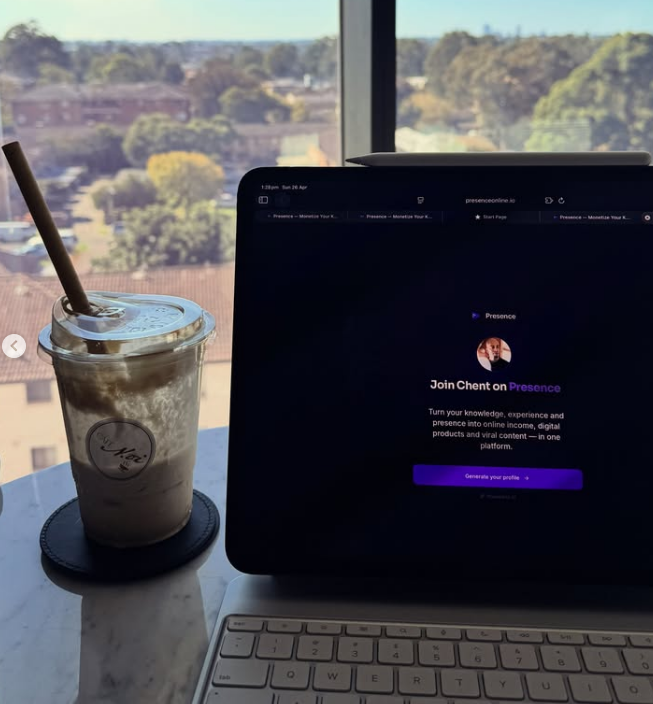
In practice that can be quite concrete. With the founder I was coaching, the platform had already built a profile for each practitioner from publicly available information. So the visit didn't start with an explanation of the product. It started with something that already existed, with their name on it, and a simple offer: here's your page, here's how it looks, and if you claim it you can add whatever you want, whether that's programs, written work or a proper bio. It becomes a landing page for them. There was nothing to decode and nothing to buy. They could see it.
Make the value visible, and make it theirs
A few things I've learned about making the answer land.
Show their version, not yours. Generic claims are easy to ignore. Something with a person's own name and business on it is hard to ignore, because it's about them. Wherever you can, bring a small, real piece of work that already reflects their situation.
Connect it to what they want. Busy people don't want a feature. They want more clients, a better reputation and less friction. Translate what you've built into those terms, and say it in one or two sentences without rambling.
Give them proof where you can. One thing I noticed when reviewing that same platform was that a profile with a name, a location and a website still didn't tell you what that business's clients actually experience. There was nothing validating it. Adding something as simple as reviews changed what the page was worth. Whatever you offer, ask what a stranger would need to see to believe it.
Be honest about what's not built yet. Early on, you'll often have things coming soon. That's fine, as long as you're clear which is which. People back something unfinished when they can see the direction and trust the person, but it only works if you haven't oversold what exists today.
Make it make sense for both sides. I reach out to founders for coffee, and the ones that turn into something are the ones where it works for both of us, as an exchange between two people who each have something the other could use. That's the same principle. If the value only runs one way, people can tell.
What changes when you start here
The conversation gets lighter, because you're no longer asking for anything big. You're offering something small and useful and seeing whether there's interest. People tend to relax when they don't feel they're being sold to, and they ask more questions, which is where the real conversation starts.
It also sharpens your own thinking. If you can't say why someone should care in a sentence or two, that's information. It usually means one of three things: you haven't found the right audience, you haven't translated the offer into their terms, or the offer itself needs work. All three are worth knowing before you spend months telling people about it.
Signs you're leading with yourself
- Your opening is about what you built. It starts with "we're a platform that..." or "I do...".
- You describe features, not outcomes. The listener has to work out what's in it for them.
- You can't say who it's for. The message is for everyone, which means it lands with no one.
- There's nothing to look at. The pitch relies on promises with no real example.
- Nobody asks a follow-up question. The conversation ends politely, but there's no curiosity; they're waiting for you to stop talking already.
What I'd take from this
Before you tell anyone about what you've built, work out what it does for them, in their words and not yours. For a busy practitioner it came down to lead flow, credibility and more business. For your customer it will be something else, but it will be specific, and it's almost never the part you're proudest of.
Then put it somewhere they can see it. A small, real piece of work with their name on it does more than any explanation, because there's nothing to decode and nothing to take on trust. Be straight about what exists today and what's still coming, so the trust you earn is the kind that lasts.
A few questions are worth sitting with before you start:
- If I stripped out everything about what I built and kept only what it does for them, would there still be a reason to listen?
- What does this person actually want: leads, credibility, time back, something else?
- What could I put in front of them that already reflects their situation?
- What would a stranger need to see to believe this?
- What could I put in their hands first, before I ask for anything?
Where to go from here
Working out why someone should care is mostly a positioning and offer question: who it's for, what you promise them and what proof sits behind it. If you'd like help getting that clear, it's work I do with founders through OnePercent Consulting.